
Rest isn’t quitting, it’s the strategy. Here’s what’s changing
The Power of Pausing & the Culture We Create
Burnout isn’t just a rough week. It’s a slow bleed. It’s logging off with nothing left for your kids, your art, your joy. We keep calling it 'just part of the job,' but the job is breaking people.
In 2024, only 1 in 5 employees felt engaged at work. 50% are quietly eyeing the exit. Being always on doesn’t mean we’re doing our best work. It means we’re surviving.
Unilever Australia tested a 4-day workweek, four days of work, five days of pay. Stress dropped 33%. Focus went up. Nobody missed the fifth day. Same story in the UK and New Zealand. Not flukes. Signals.
But it’s not just about fewer hours. It’s about how we show up for each other when things get hard. When someone cries at work. When a parent leaves early. When a leader admits they’re struggling too.
That’s the real culture. Not in a framed value statement, but in how we hold space for each other. And right now, that space is under strain.
Only 33% of workers say they’re thriving. These aren’t just stats. They’re warning signs.
Companies like Raisely in Australia aren’t offering a 4-day week as a gimmick, they’re doing it because they want their people whole. And people rise to the trust. They show up.
So instead of asking, Is the 4-day week realistic? What if we asked:
"What if work felt like a place to be HUMAN again?"
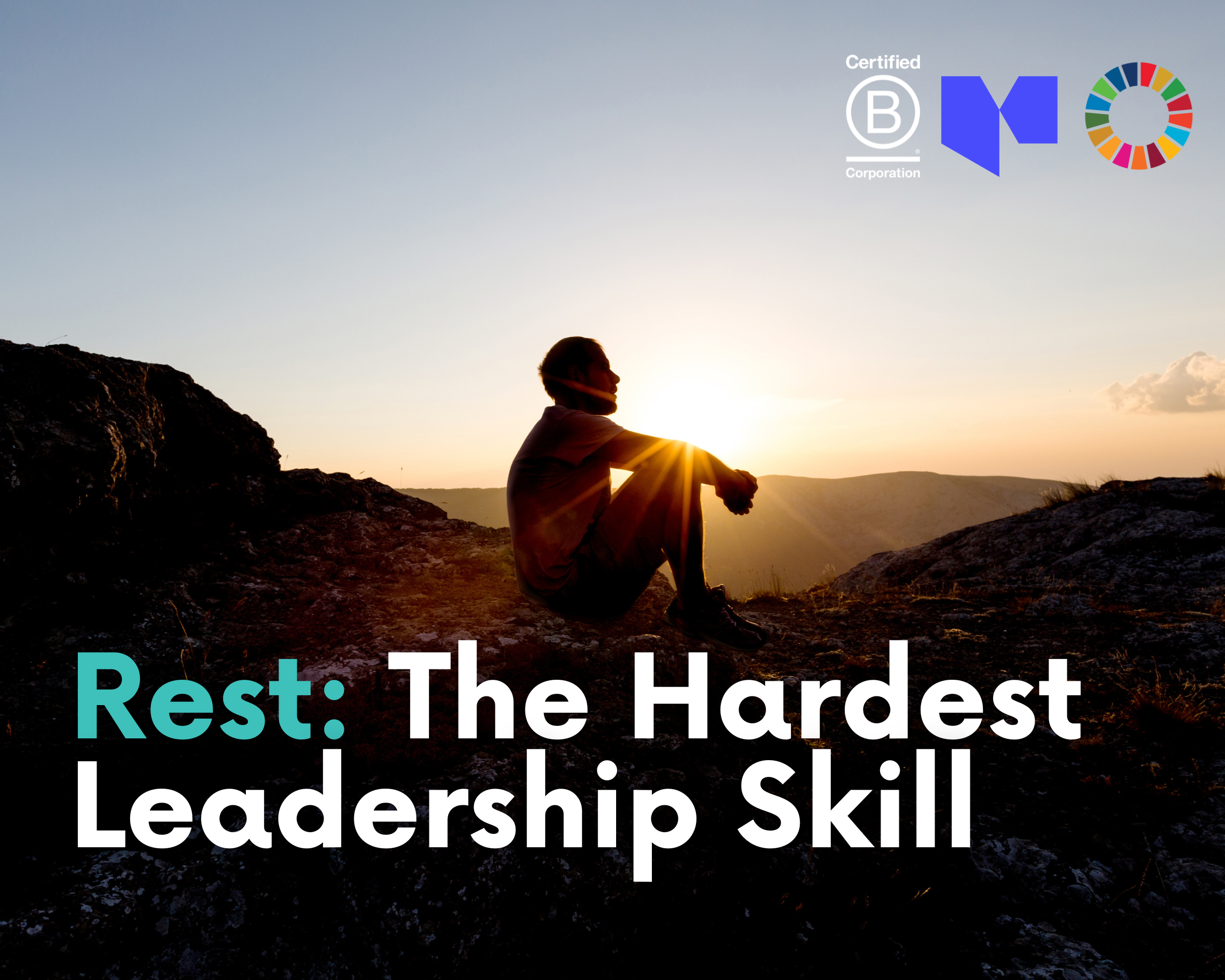
Rest Is Not the Reward. It’s the Requirement.
You don’t build strength in the hustle. You build it in the pause.
So why do we expect leaders to carry the weight of the world without ever setting it down?
Today’s leadership isn’t just about vision and output. It’s about holding space, for grief, for uncertainty, for teams carrying burnout, caregiving, and quiet loss. But no one tells leaders: you’re allowed to feel this too.
And many are. Grieving old ways that don’t work. Navigating invisible exhaustion. Hiding it because the calendar won’t stop.
A 2024 Deloitte study found 70% of leaders feel more emotionally burdened than ever. Another shows they now spend over 30% of their time managing emotional fallout, but are rarely given time or tools to recover.
We don’t talk enough about grief as a leadership challenge. Or rest as a response to emotional labor.
But we should. Because rest is what gives grief room to metabolize. It’s where clarity and compassion begin. And it’s how real, human-centered leadership is sustained.
We don’t need more exhausted heroes.
We need leaders who know how to pause, restore, and begin again.
What if healing was part of the job description?