
The Illusion of Belonging
When Inclusion Becomes Dehumanising
Something worrying is happening in America. And it’s not staying there.
Across the U.S., DEIB (Diversity, Equity, Inclusion and Belonging) roles are being cut. Programs are being defunded. In some cases, the whole idea of inclusion is being politicised and pushed aside.
This matters. Because when the world watches America step back, it gives quiet permission for others to do the same.
So here’s the question:
What happens when we say we believe in inclusion, but don’t act like it?
We end up with workplaces that are diverse in name, but not in spirit.
People are hired, but not heard.
Represented, but not respected.
In a recent episode of What Now? with Trevor Noah, Princeton professor Ruha Benjamin put it simply:
"If we don’t intentionally include, we will unintentionally exclude."
When Inclusion Fails, Cultures Suffer
Benjamin shared a story that stuck.
A well-known education company was proud of hiring more Black employees. But those employees were placed in the most exhausting, undervalued roles. They were critical to the business and treated as disposable.
They burned out. And they left. That’s not inclusion. That’s exploitation wearing a nice lanyard. The truth is:
Hiring someone isn’t the same as honouring them. Diversity without care becomes tokenism. Inclusion without systems becomes harm.
If we’re serious about equity, then we need to move beyond optics. Mentorship matters. Growth pathways matter. Teaching people how to create belonging at every level of leadership, deeply matters.
Otherwise, we’re just repeating old hierarchies in new outfits. This isn’t just an American story. It’s a mirror. And it’s up to all of us, wherever we are, to ask the harder questions:
Are we including people with real intent?
Or just hoping it all works out on its own?
The Science Behind Inclusion
Inclusion isn’t just a moral obligation; it’s backed by research as a performance driver:
📊 McKinsey’s research found that companies with inclusive cultures are 35% more likely to outperform their competitors.
💡 Employees who feel a sense of belonging are 50% less likely to leave, according to Harvard Business Review.
🧠 Neuroscience studies show that a lack of inclusion activates the same part of the brain as physical pain, exclusion literally hurts.
⚖️ The World Economic Forum reports that diverse and inclusive companies have 20% higher innovation revenues than those without.
And yet… many companies are still getting it wrong. Why?
Because inclusion isn’t just about who you hire, it’s about who you develop, who you promote, and who has a real voice in decision-making.
Inclusive Success Stories
How Companies Are Doing It Right
Forget the usual big-name case studies. Here’s how inclusion is driving change in unexpected ways:
Diageo’s Inclusive Leadership & Marketing
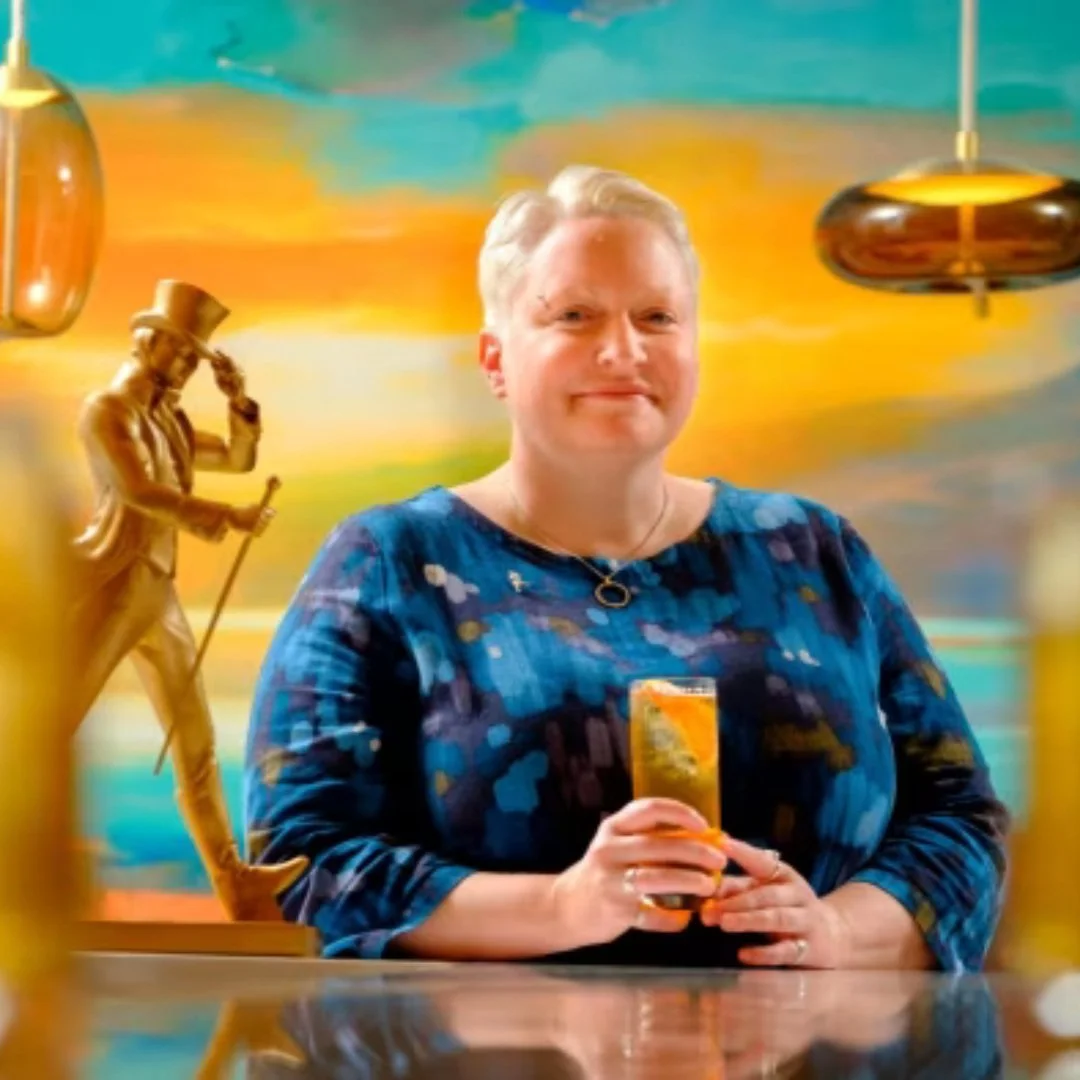
This global beverage giant has redefined what it means to lead inclusively. From featuring diverse voices in Johnnie Walker ads to appointing Emma Walker as their first female Master Blender, they are proving that inclusion isn’t just about hiring, it’s about visibility, empowerment, and structural change. With 44% of leadership roles held by women, they’re on track to hit 50% by 2030.
Salesforce’s Workplace Equality Model
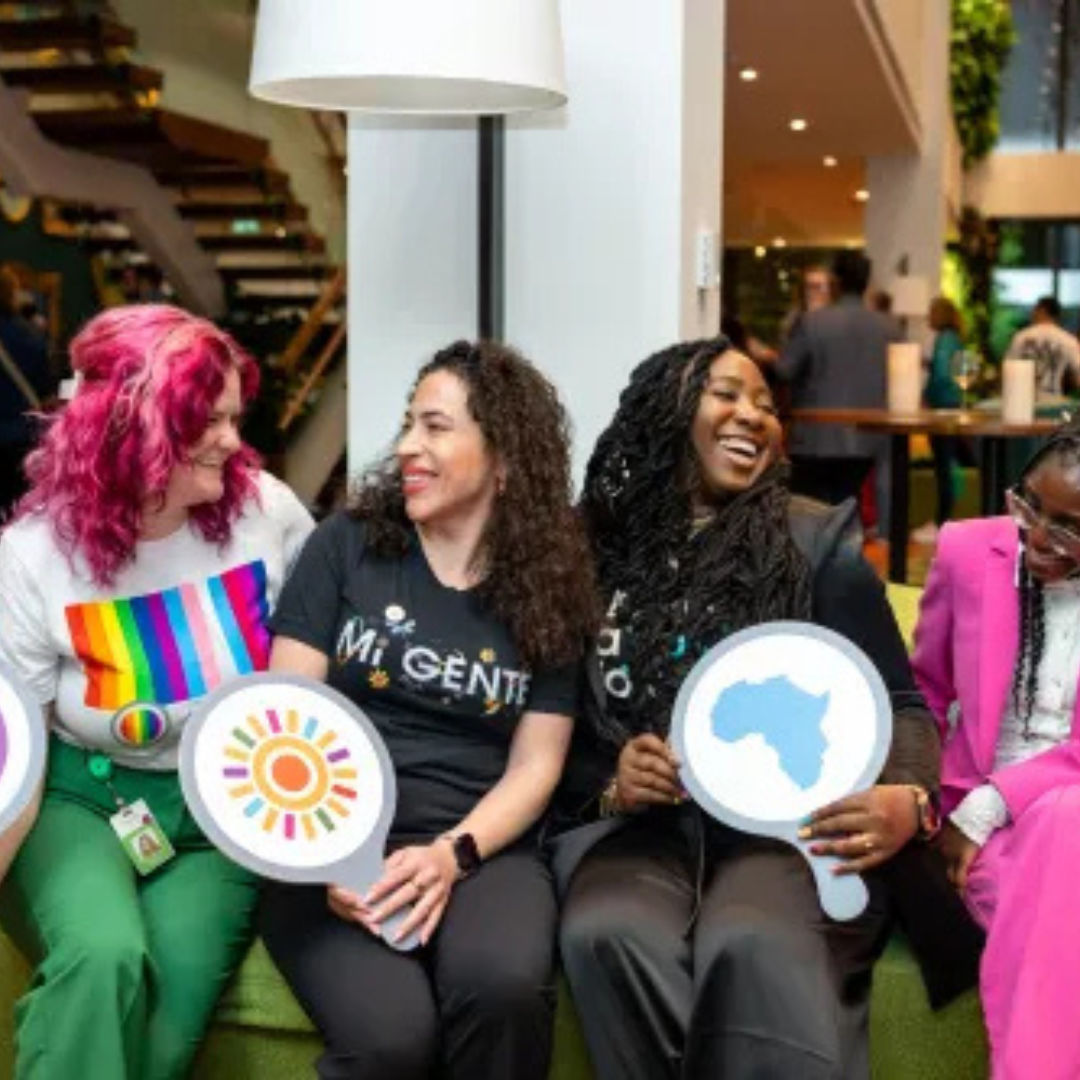
Salesforce took a hard look at pay inequities and invested $16 million in salary adjustments to ensure pay parity across gender and racial lines. More than just numbers, they embedded inclusion into their leadership training, ensuring managers had the tools to foster diverse perspectives within their teams.
Do I Really Matter Here?
Ever walked into a room, smiled, joined the conversation, even made a great point, and still walked away wondering if anyone truly saw you? It’s subtle. It’s not about being ignored. It’s about being invisible.
We’ve been using the word belonging for years. Talking about inclusion. Rolling out programs and pledges. And yet, something still feels off in so many workplaces. People feel welcomed. They’re invited in. But they don’t always feel significant. Needed. Known.
That’s the gap.
That’s the power of mattering.
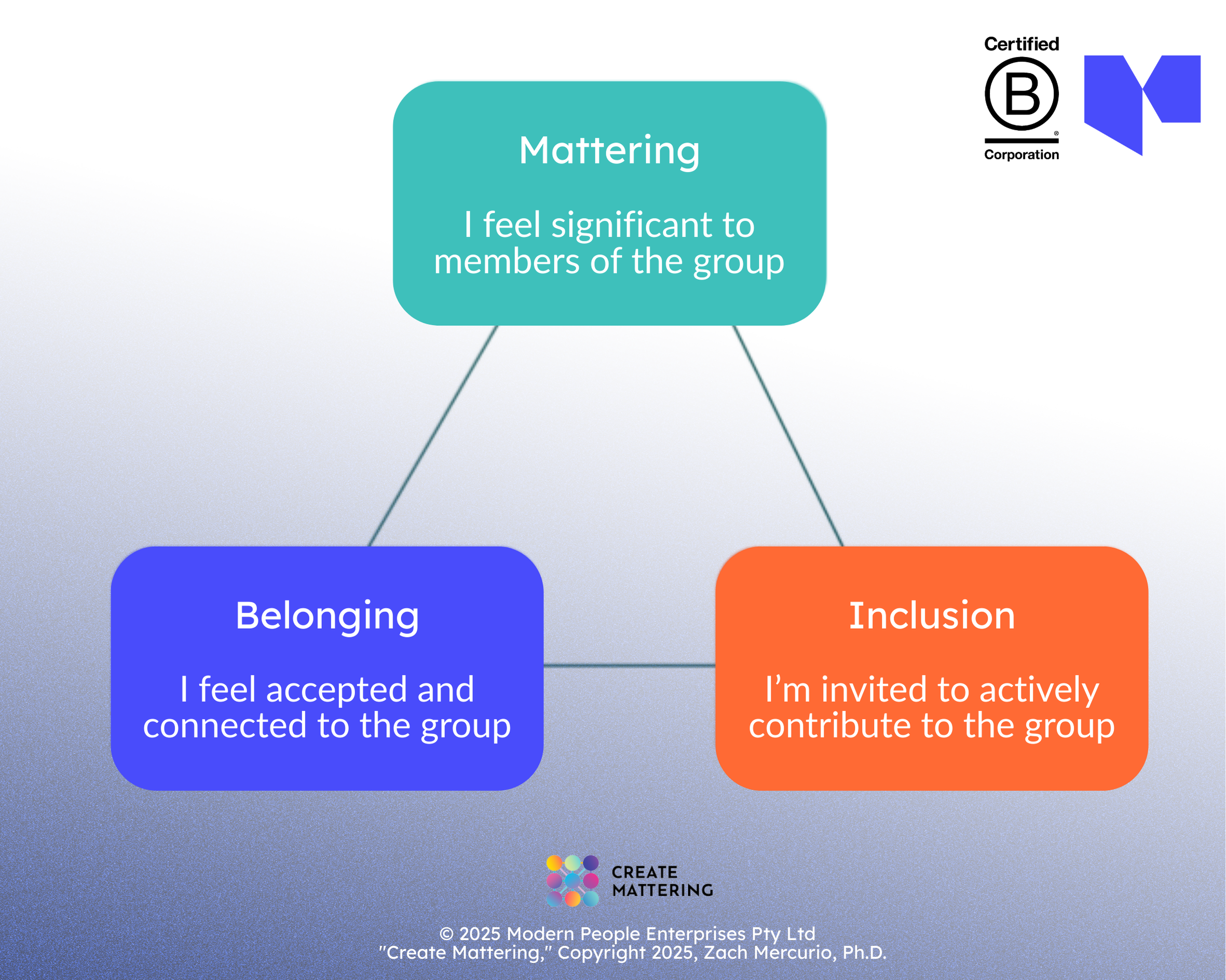
We’re thrilled to share a fresh lens on this from someone we deeply admire, Zach Mercurio Ph.D., whose work continues to inspire our thinking at Modern People. His new model helps us understand the difference between Belonging, Inclusion, and Mattering.
🟦 Belonging is feeling accepted and connected to the group.
🟧 Inclusion is being invited to actively contribute.
🟩 Mattering is feeling significant to others in the group, like your presence genuinely makes a difference.
Here’s what this means in real life:
You can be included in the team meeting but still feel like no one really knows your name.
You can belong to the project group but feel replaceable.
You can be celebrated on Slack but never actually feel seen.
Zach says it perfectly:
“To someone who doesn’t feel that they matter, it’s hard for anything to matter.”
So here’s our big question for you: How are you making sure your people don’t just feel included, but irreplaceable?
And maybe an even more personal one: Do you feel significant where you are?
““Thank you for your outstanding contribution as the keynote speaker at our recent Breakfast, your presence and captivating speech made a lasting impact on everyone in attendance, including myself.””